

Module 1: Stakeholder mapping and situational assessment
This first module provides guidance on identifying key stakeholders and performing a country-wide assessment of household energy use. Since clean household energy solutions are multi-sectoral, it is critical that the appropriate stakeholders are included in decision making. Equally important is understanding what technologies and fuels are used for cooking, heating and lighting, and the resulting air pollution exposures and health risks.
This module emphasizes the importance of considering the entire energy value chain (e.g., including supply), and the value of establishing a baseline to inform effective monitoring of the impacts from household energy policies and interventions. As part of this module, gaps in available data that must be addressed and the priority areas for policy development are identified. Application of the module tools will result in an evidence-based argument and potential paths forward for action in clean household energy.
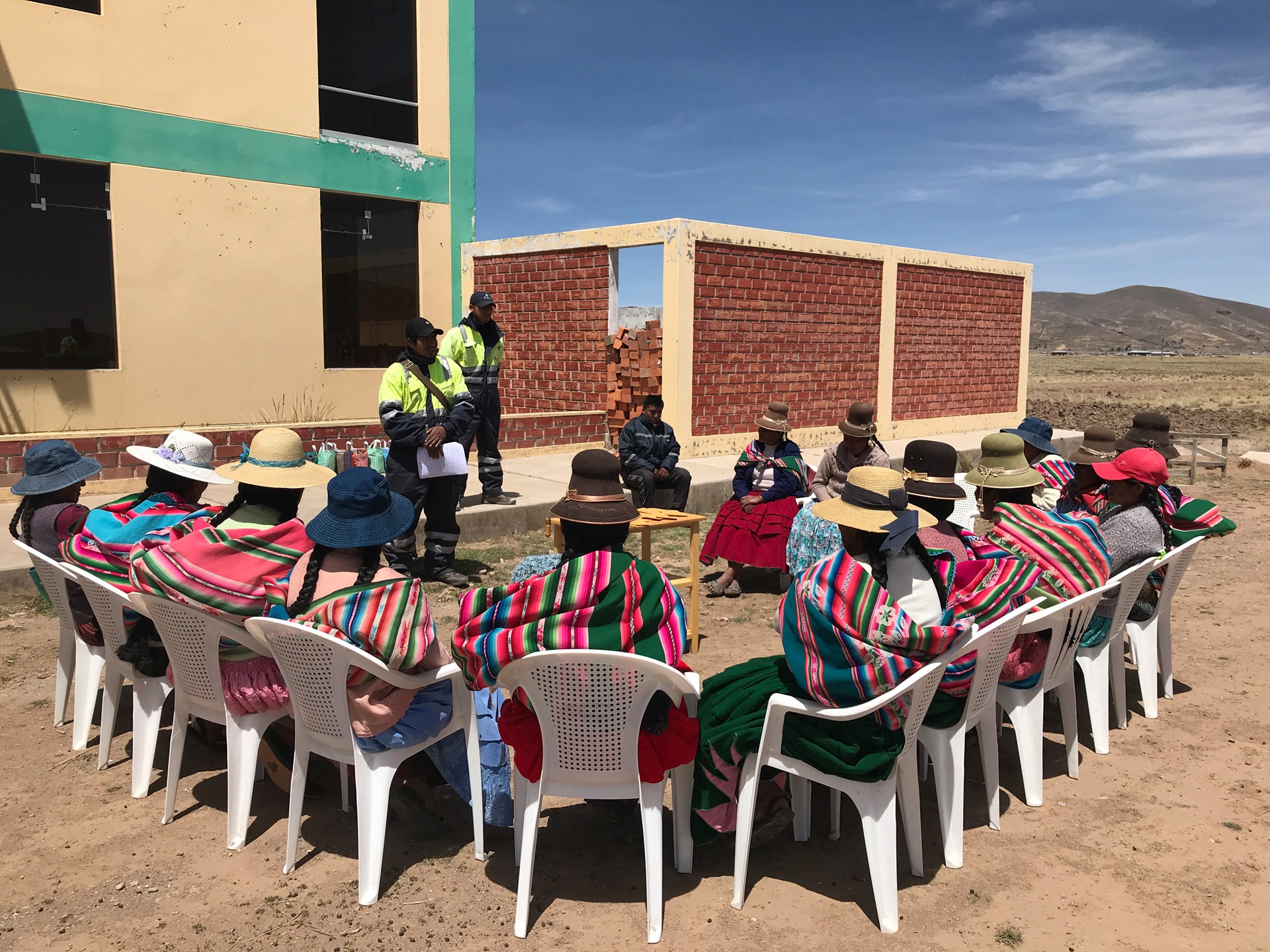
Tools and templates in this module include:
Includes data on fuels used for household cooking and the burden of disease attributable to air pollution.

Includes annual mean ground concentrations (in µg/m3) of PM2.5 and PM10 in ambient air in many cities around the world.

Template for mapping stakeholders, and for assessing the national household energy & health situation.
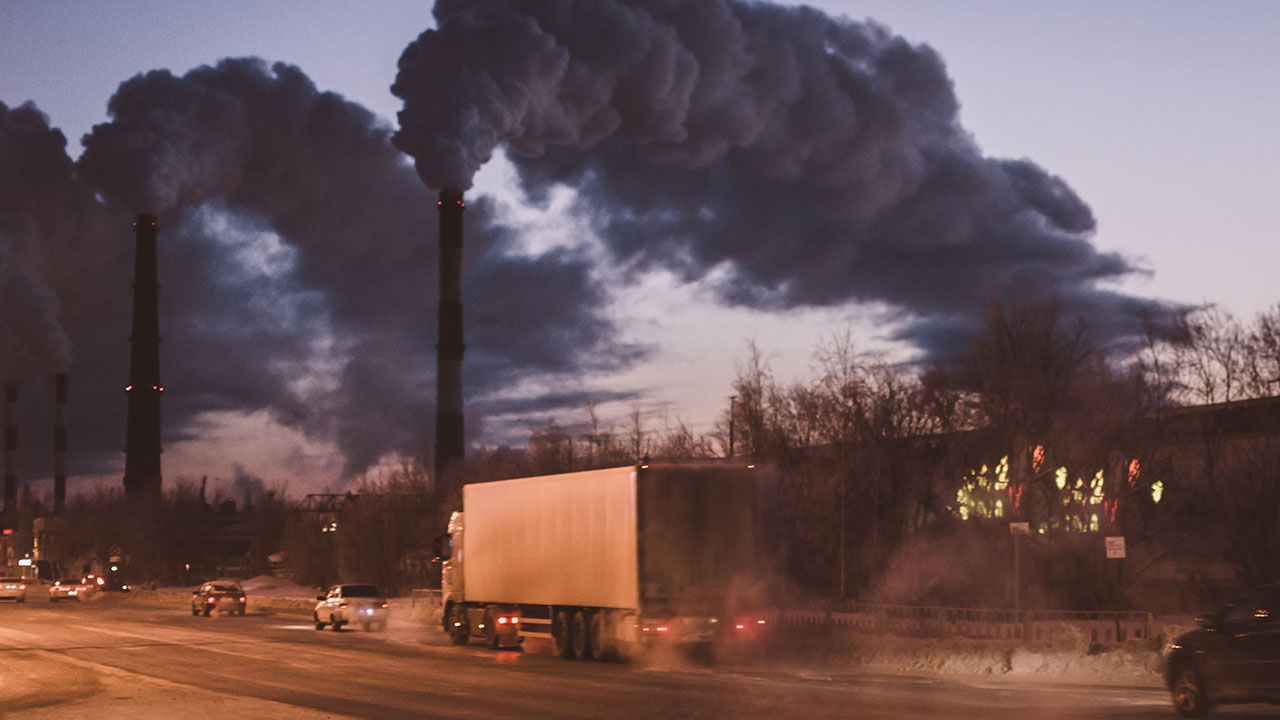
A systematic collection of data on the sources that contribute to ambient levels of PM from studies conducted in over 50 countries.
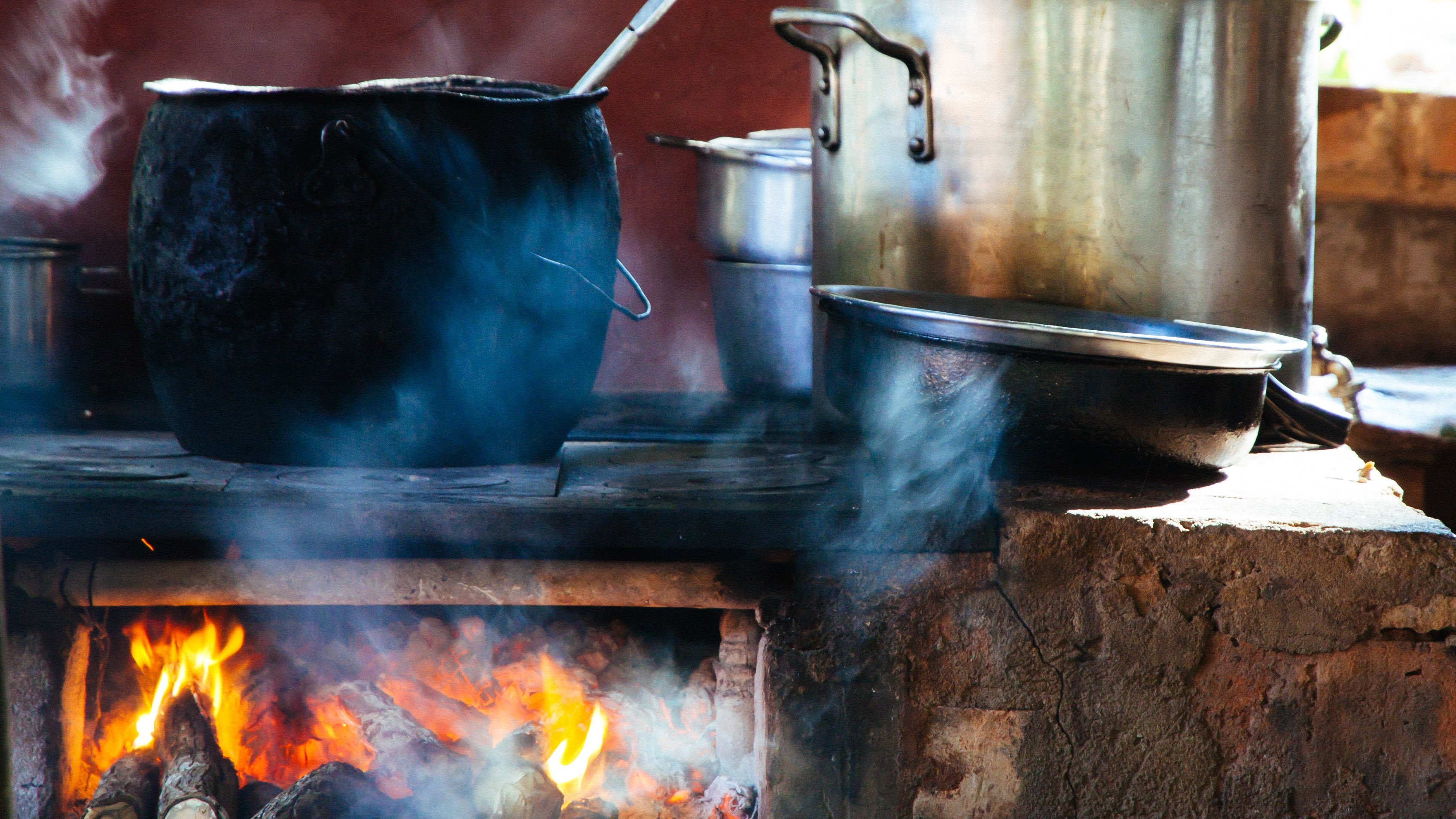
Includes data from national surveys from over 170 countries on fuels used for cooking, heating & lighting.

Contains studies identified in a systematic review that investigated the health effects of liquid and gaseous fuels for household cooking, heating, and lighting across low-, middle- and high-income countries.
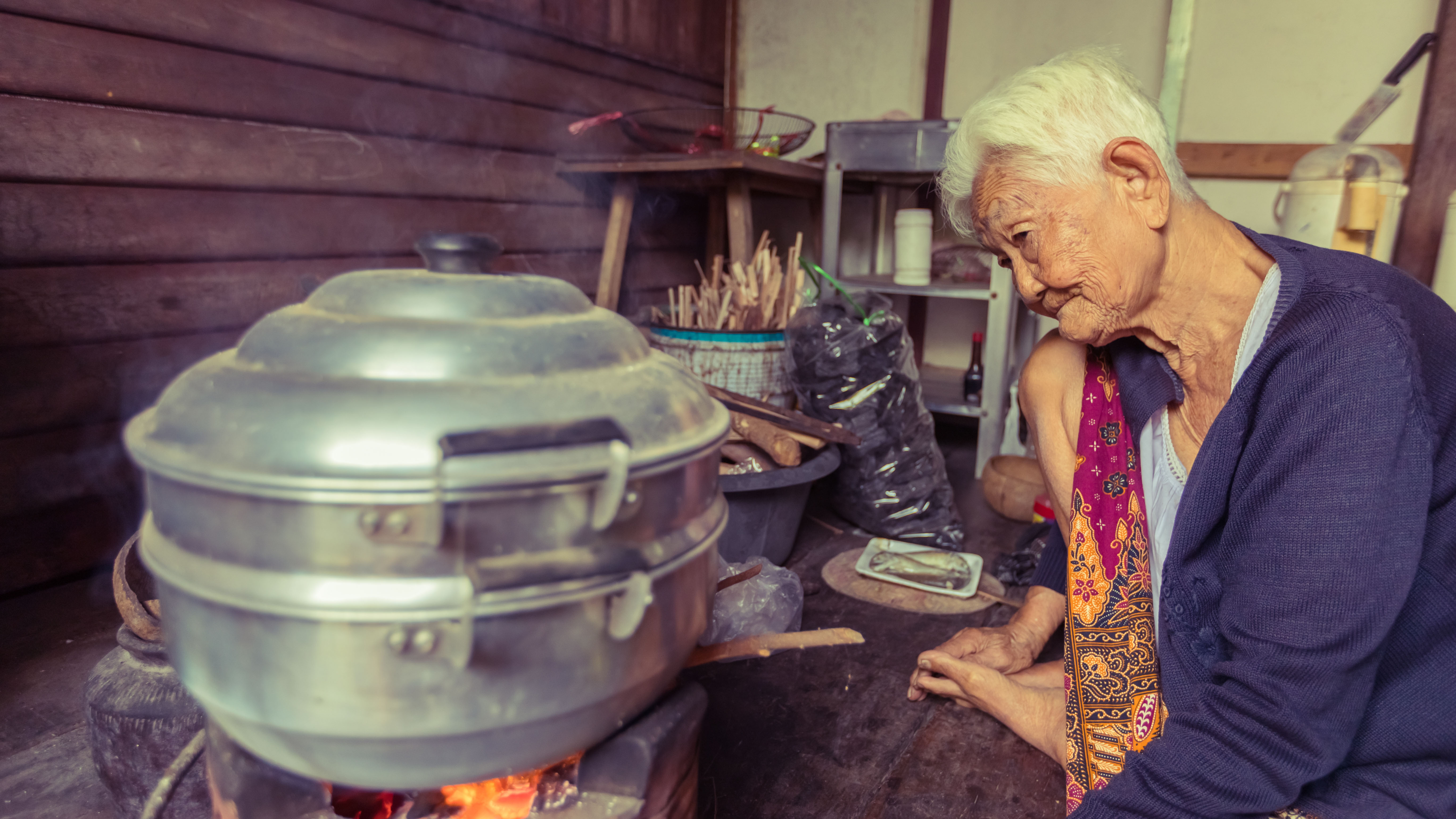
Contains measurements of household air pollution from published studies in over 50 countries.
Country reports on opportunities to transition to clean household energy
Opportunities for transition to clean household energy in Nepal
According to the 2016 Nepal Demographic and Health Survey, 66% of Nepali households use mainly solid fuel for cooking on inefficient stoves. Incomplete...
Opportunities for transition to clean household energy in Rwanda
Almost the entire Rwandan population (98.5%) relies on polluting fuels, particularly firewood and charcoal, for cooking. Access to clean energy such as...
Opportunities for transition to clean household energy in Panama. Application of the WHO Household Energy...
This publication is available in Spanish only. You can access the Spanish version here. The use of solid fuels for cooking is a large-scale public...
Opportunities for transition to clean household energy in Honduras. Application of the WHO Household...
This publication is available in Spanish only. You can access the Spanish version here. The use of solid fuels for cooking is a large-scale...
Opportunities for transition to clean household energy in Kenya
Household air pollution (HAP) from inefficient fuel combustion is one of the most important global environmental health risks today. Almost 3 billion...
Opportunities for transition to clean household energy in Ghana
Household air pollution (HAP) from inefficient fuel combustion is one of the most important global environmental health risks today. Almost three billion...
Opportunities for transition to clean household energy in India
Household air pollution (HAP) from inefficient fuel combustion is one of the most important global environmental health risks today. Almost three billion...
Household air pollution (HAP) from inefficient fuel combustion is one of the most important global environmental health risks today. Almost three billion...
